
Peterborough Has A One-Metre Pizza — So Obviously We Have Questions |
Article Sub Headline |
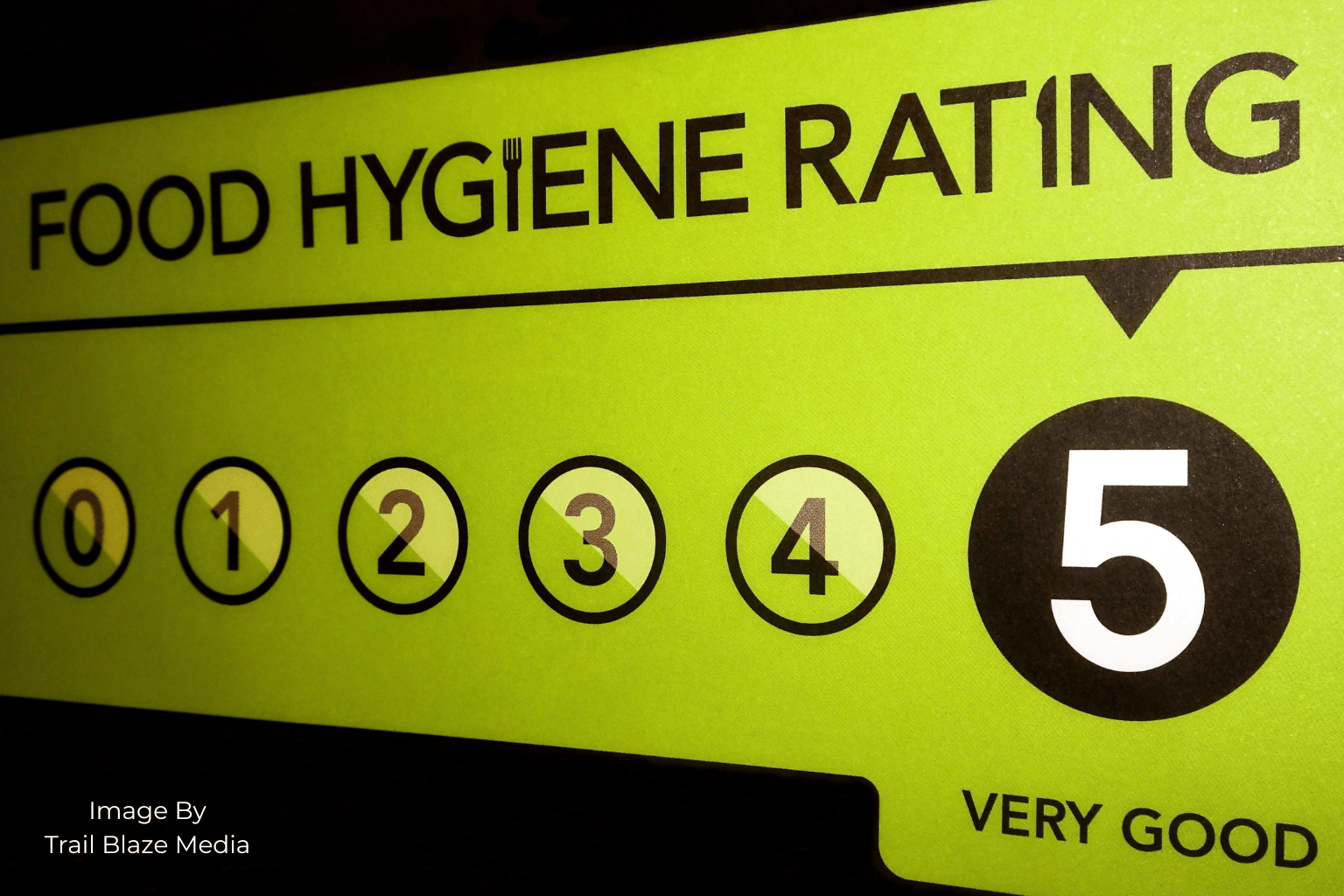
It's a 3.
Now what?
Do you cancel the table?
Is 3 actually bad? Does a 5 mean the kitchen is immaculate?
And what exactly did somebody inspect to produce that little green number in the first place?
Considering how quickly a food hygiene rating can change our opinion of somewhere, surprisingly few of us know what it actually means.
First surprise: 3 doesn't mean three out of five for cleanlinessThe Food Hygiene Rating Scheme runs from 0 to 5, but it isn't quite the restaurant report card people sometimes assume it is.
The official descriptions are:
5 — Very good
So a 3 isn't the equivalent of scoring 60% in an exam.
Officially, it means the business was found to have generally satisfactory hygiene standards when it was inspected.
That still leaves a perfectly reasonable question:
If one restaurant has a 5 and another has a 3, why wouldn't I choose the 5?
You might.
But first it helps to know where the numbers come from.
The inspector isn't reviewing dinner
Nobody from Peterborough City Council is sitting in the corner awarding marks for crispy chips or complaining that the curry could use more chilli.
Food safety officers are interested in rather less glamorous things.
They assess how food is handled, prepared, cooked, cooled and stored.
They look at the condition and cleanliness of the premises and facilities.
They also examine how the business manages food safety including whether appropriate systems and training are in place.
In other words, the rating isn't telling you whether the restaurant is good.
It's telling you how well it met food hygiene and safety standards at the time of its inspection.
A restaurant could serve an extraordinary dinner and have room for improvement in its food-safety management.
Another could earn a 5 and still serve you a disappointing lasagne. The hygiene inspector is not here to settle that argument.
A 5 doesn't mean “perfect forever”
This is probably the most important bit.
A food hygiene rating is a snapshot.
It reflects what inspectors found when they carried out that inspection.
That's why the date beside the rating matters too.
If you're checking somewhere unfamiliar, don't just look at the number. Look at when the inspection happened.
Businesses can also make changes after an inspection.
If they believe a rating is wrong they can appeal, and if they've made the required improvements they can request another inspection to have the premises re-rated.
They can also publish a response explaining circumstances surrounding their rating.
So an old number shouldn't automatically be treated as a live camera feed from the kitchen.
And no sticker in the window doesn't necessarily mean anything sinister
Here's another wrinkle.
In England, businesses are not currently legally required to display their food hygiene rating sticker at the premises, although they are encouraged to do so.
That means the absence of a big green 5 in the window doesn't automatically tell you the restaurant is hiding something.
Fortunately, you don't need the sticker.
You can check the official Food Standards Agency database yourself.
Peterborough City Council carries out inspections of local food premises, and the results can be searched through the Food Standards Agency's Peterborough database.
The 30-second check before ordering
If a restaurant, café or takeaway is unfamiliar and you want to check it, don't rely on an old photograph of a sticker or something somebody wrote in a review two years ago.
Go to the official Food Standards Agency food hygiene ratings search.
Search for the business name or address.
Then look at:
The current rating. The date of the inspection. Whether there is any response or updated information attached to it.
That takes roughly as long as deciding whether you want onion bhajis as well.
And unlike scrolling through 47 arguments on a review site, you'll actually know what the official record says.
So would we eat somewhere with a 3?
This is where Taste Trail isn't going to make the decision for you.
A 3 officially means “generally satisfactory”.
A 2 means improvement is necessary.
A 1 means major improvement is necessary.
And a 0 means urgent improvement is necessary.
Those descriptions are considerably more informative than treating every number below 5 as if somebody has just discovered a rat wearing an apron.
Personally, the lower the number went, the more questions we'd want answered before choosing where to eat.
We'd also pay attention to how recent the inspection was and whether the business had subsequently addressed the issues.
That's a more sensible way of using the system than assuming 5 means brilliant restaurant and 3 means terrible restaurant.
Neither is what the rating actually says.
One number we'd definitely check
Restaurant reviews tell you whether somebody loved the biryani.
Instagram tells you whether the pudding photographs well.
Your friend tells you they had a fantastic meal there last March.
The food hygiene rating tells you something different.
It gives you an independent assessment of the food-safety standards found when the business was inspected.
That's worth knowing.
It just helps to know what you're actually looking at.
Before you try somewhere new in Peterborough, would you check its food hygiene rating and what number would make you change your mind? |
0 Comments
Join the conversation
Be the first to comment
Share your thoughts above.